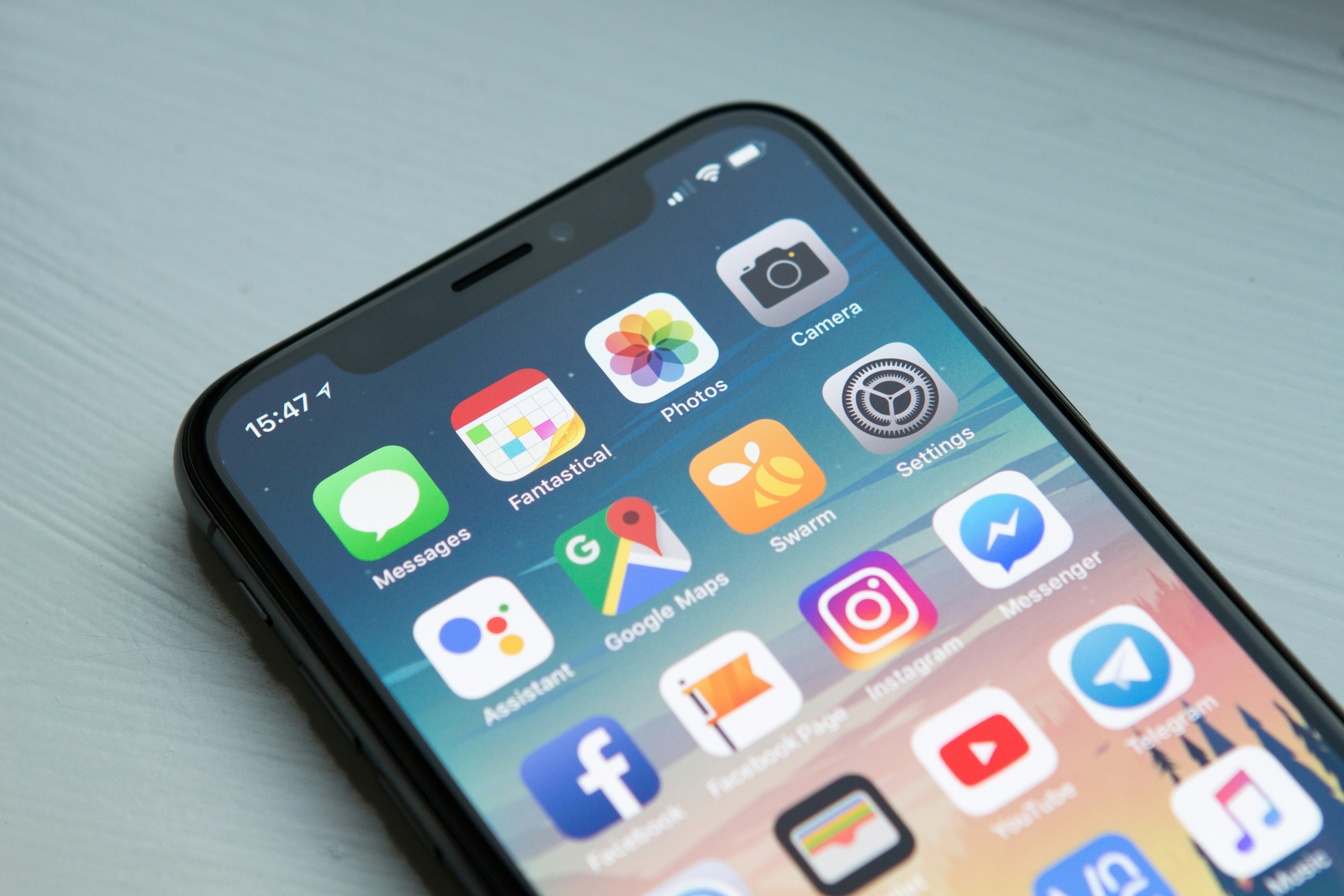
Remember when every startup felt obligated to build separate iOS and Android apps before validating their core idea? In 2026, that mindset is fading fast. Progressive Web Applications (PWAs) have evolved to deliver native-level performance, smooth gesture animations, and hardware integration without demanding a trip through rigid app store review queues.
Eliminating User Friction
Consider the typical user journey for a traditional mobile app: find it in an app store, wait for a 150MB download, grant permissions, and finally log in. With a PWA, a user clicks a link, experiences instant load times via optimized caching, and installs the app directly to their home screen with a single prompt.
The Economic Advantage of Unified Codebases
Maintaining separate codebases for Swift, Kotlin, and Web stretches engineering budgets thin. A single, high-performance PWA cuts development overhead drastically while ensuring feature parity across all devices instantly.
The best platform is the one that gets out of the user's way.
By leveraging modern web APIs and responsive design, businesses can deliver lightning-fast experiences that match native apps while retaining the openness and reach of the web.